Childe Harolds Pilgrimage
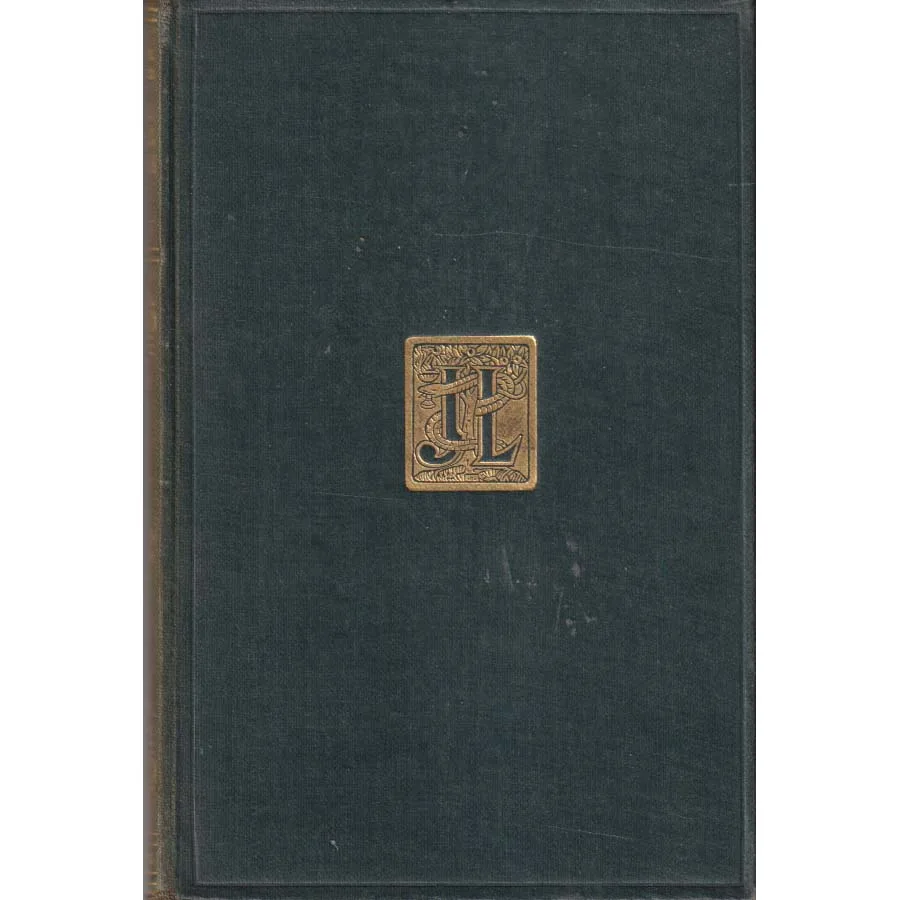
Publisher: John Long
Format: Hardback
ISBN: none
Some people travel abroad to broaden their minds, admire historic architecture and sample the local cuisine. Lord Byron, however, preferred to combine sightseeing with melancholy, political commentary, romantic disillusionment and the occasional suggestion that civilisation was heading towards an entirely deserved catastrophe. It was, by any reasonable standard, a rather ambitious holiday.
Childe Harold’s Pilgrimage (1923), by Lord Byron and published by John Long, is a magnificent example of Romantic poetry at its most dramatic, extravagant and gloriously self-absorbed. Originally published in four cantos between 1812 and 1818, it helped transform Byron from a talented young aristocrat into one of the most celebrated literary personalities in Europe, a man whose fame was rivalled only by his remarkable ability to generate scandal.
The poem follows Childe Harold, a young nobleman who has become thoroughly disenchanted with pleasure, society and the general business of being alive. Having exhausted the entertainment available at home, he embarks upon a journey through Europe, apparently hoping that foreign landscapes might provide some relief from his existential dissatisfaction.
His travels take him through Portugal, Spain, Albania, Greece, Switzerland and Italy, encountering magnificent scenery, ancient ruins, political upheaval and countless opportunities to reflect upon the decline of civilisation. Most tourists return with souvenirs and photographs. Harold returns with several thousand lines of poetry and an even more complicated relationship with existence.
Byron uses the journey as an opportunity to explore history, freedom, war, national identity and the fleeting nature of human achievement. Great empires rise and fall, monuments crumble, and ambitious rulers discover that posterity is considerably less impressed with them than their contemporaries were expected to be.
There is something wonderfully ironic about a wealthy aristocrat wandering across Europe lamenting the emptiness of privilege while enjoying opportunities for travel that most ordinary people could scarcely imagine. Byron, however, was never particularly troubled by contradictions, especially when they provided material for magnificent poetry.
The work is filled with extraordinary descriptions of landscapes, cities and historical monuments, demonstrating Byron’s ability to combine personal emotion with sweeping reflections upon the human condition. His language is passionate, musical and frequently spectacular, particularly when contemplating ruined civilisations or the impressive scenery of places where he was unlikely to be required to pay income tax.
The poem also helped establish the famous Byronic hero: proud, restless, rebellious, emotionally troubled and irresistibly fascinating, at least until one has to share a house with him.
Condition: Good. This 1923 John Long edition is a previously owned volume showing ordinary signs of age, reading and handling. Having survived more than a century, it has demonstrated considerably greater stability than the emotional affairs of its author.
Offered by Crappy Old Books, where we admire Romantic literature, magnificent European landscapes and the extraordinary determination of aristocratic poets to remain miserable despite enjoying circumstances that most people would regard as rather fortunate.
No ISBN, naturally. In 1923, books were still expected to identify themselves through titles and authors, while literary celebrities were generally quite capable of attracting attention without numerical assistance.
A splendid vintage edition for admirers of Byron, collectors of Romantic poetry and anyone who believes that travelling abroad should involve more than sitting beside a swimming pool complaining about the breakfast.
Keep browsing: See more Literary Classics books Other books by Lord Byron